The Role of the Third Sector and Voluntary Sector in Addressing Poverty: A Systematic Literature Review
Andrea Gollini
Università Cattolica del Sacro Cuore, Italy
CORRESPONDENCE:
Andrea Gollini
e-mail: andrea.gollini@unicatt.it
Abstract
This study presents the results of a systematic literature review on the role of the third sector, specifically volunteers and the voluntary sector, in improving the living conditions of people living in poverty, reflecting global efforts to understand and combat poverty effectively.
It explores the assigned or assumed role, methods, and practices of the sector and its positioning relative to public agencies and other actors in poverty reduction. Particular attention is paid to volunteer intervention spaces and tasks. The review covers the period 2012-2022, a time marked by shifts in poverty patterns and policy responses due to the global economic crisis. The role of the third sector in combating poverty has expanded during this time. The analysis focuses on studies from countries with advanced economies and democratic political systems, providing insights into broader trends and common challenges faced in different contexts. The findings indicate that the role of the third sector is complex, oscillating between self-referential or oppositional stances toward public agencies and functioning as either an executor or an actor with limited autonomy. Economic logic increasingly shapes social and welfare policies, influencing third-sector dynamics. Volunteer contributions are crucial, especially in identifying and responding informally to emerging needs. However, the practical role of volunteers remains confined to specific areas, primarily food and educational poverty. This review highlights the significance of the third sector in alleviating poverty while emphasizing the need to enhance structured collaboration between the third sector, voluntary organizations, and public authorities.
Keywords
Social work, Poverty, Third sector, Nonprofit organizations, Volunteering.
Introduction
Before the 2007-2008 economic crisis, absolute poverty in Italy affected a well-defined part of the population, mainly couples with more than three children, people excluded from the labor market, and older adults, concentrated in the southern regions, leading some scholars to describe an Italian model of poverty (Caritas, 2015; Gori, 2017; Morlicchio, 2020). The crisis and subsequent spending restraint policies changed this picture in both quantitative and qualitative terms: between 2008 and 2018, the number of people living in absolute poverty grew from 1.8 to 5 million (ISTAT, 2021), spreading to northern Italy and increasingly affecting young families with at least one employed parent. In the same years, the welfare state was downsized while third-sector interventions, including informal parish welfare, significantly increased (Dovis, 2015; Maroncelli, 2017). The initial reversal of this trend, driven by minimum income policies (ISTAT, 2020), was interrupted by the COVID-19 pandemic: in 2020, absolute poverty reached its highest level since 2005, affecting more than 5.6 million individuals (9.4%, compared with 7.7% in 2019). Similar dynamics were observed in other advanced economies, leading several authors to call for a renewed reflection on welfare and care practices (Bauman, 2000; Cesareo, 2017; Donati, 1991b; Folgheraiter, 2016).
These transformations raise crucial questions about the role the third sector plays in mitigating inequalities, and about how volunteering and third-sector organizations can respond to the new emerging needs, in terms of both the quantity and the quality of interventions.
This article aims to present the results of a systematic review of the literature (SLR) regarding the role of the third sector, particularly volunteers and voluntary work, in improving the living conditions of people living in poverty, a topic underexplored yet with practical implications for both social policy and social work. The following research question and related sub-questions were formulated:
How do third-sector organizations contribute to addressing poverty, particularly through volunteering?
- What contributions does the third sector make?
- What actors are involved?
- What methods does the third sector deploy?
- Has the effectiveness of third-sector anti-poverty interventions been measured/established in the literature?
- What are the gaps in the literature on this topic?
- What is the specific role of volunteering?
Methodology
Research has provided limited systematic investigation into the contributions, activities, projects, and practices implemented by third-sector actors to improve the conditions of people living in poverty. Therefore, I conducted an SLR on this topic (Bryman, 2016; Kiteley & Stogdon, 2014). The research process followed during the SLR is described in this section.
This systematic review was developed within a broader doctoral research project on innovative approaches to poverty alleviation, conducted in the field of social work and third-sector practices. The doctoral framework informed the research design and the theoretical orientation of the analysis.
I selected articles that aimed to clarify the role of the third sector, particularly, the voluntary sector, in combating poverty: the specific role assigned or assumed by the third sector, the methods, practices, and approaches deployed, and the positioning relative to public agencies or other actors involved in countering poverty, with particular attention to the space of intervention and the specific tasks performed by volunteers.
To identify the most relevant contributions, I performed a keyword search (Kiteley & Stogdon, 2014) in the Google Scholar and Scopus databases, using the terms listed in Table 1.
Table 1
Search queries used for the Systematic Literature Review
|
Query Number |
Search Query |
|
Q1 |
«social work» AND «poverty» AND «third sector» |
|
Q2 |
«social work» AND «poverty» AND «NGO» |
|
Q3 |
«social work» AND «poverty» AND «nonprofit organization» |
|
Q4 |
«Third sector» AND «poverty» AND «intervention» |
|
Q5 |
«nonprofit organization» AND «poverty» AND «intervention» |
|
Q6 |
«poverty reduction» AND «third sector» AND approach" |
|
Q7 |
«poverty reduction» AND «non-profit organization» AND «approach» |
|
Q8 |
«tackling poverty» AND «third sector organization» |
|
Q9 |
«tackling poverty» AND «non-profit organization» |
|
Q10 |
«tackling poverty» AND «nonprofit organization» |
|
Q11 |
«poverty» AND «third sector» AND «organization» |
|
Q12 |
«poverty» AND «non-profit organization» |
|
Q13 |
«anti-poverty programs» AND «third sector organization» |
|
Q14 |
«poverty» AND «programs» AND «nonprofit organization» |
|
Q15 |
«poverty» AND «Social Work» AND «volunteer» |
|
Q16 |
«poverty» AND «third sector» AND «volunteer» |
|
Q17 |
«poverty» AND «non-profit» AND «volunteer» |
|
Q18 |
«poverty» AND «volunteer» |
The search was limited to journal articles or book chapters published in English. Results from the physical sciences were excluded. Searches were conducted between September 26 and November 17, 2022.
The process of selecting potentially relevant articles (see Fig. 1 for a procedural representation) involved title analysis, abstract analysis, and finally full-text analysis of the articles; during each stage, irrelevant articles were excluded.
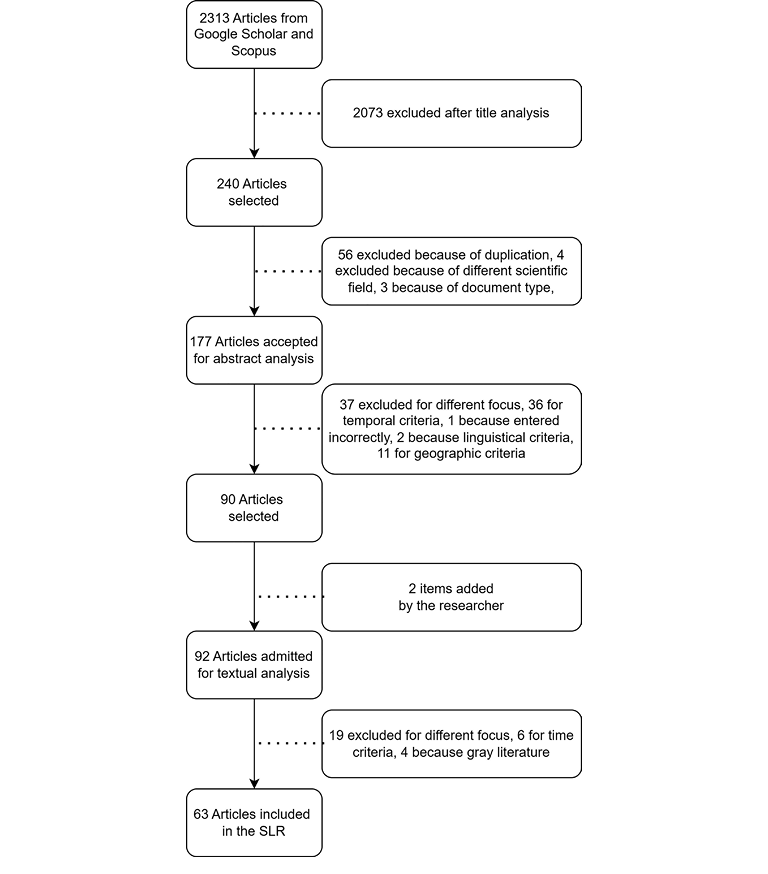
Fig. 1 Selection process
The criteria used for the selection were as follows. I chose the period 2012–2022 in order to examine whether the effects of the economic crisis on poverty patterns, as identified in the literature (Gori, 2017; Morlicchio, 2020), led to changes in aid practices. I also intended to verify whether, in this time frame, the role of the third sector in combating poverty had changed. Additionally, this time window allowed me to examine the effects of the COVID-19 pandemic on the third sector. English-language contributions from countries with advanced economies were selected for analysis so that a comparative approach could be adopted. Therefore, all non-English-language contributions from developing countries or countries with political systems very different from the Italian system were excluded.
During the analysis, all articles in which no direct reference was made to interventions concerning the third sector and in particular volunteering were excluded. Therefore, the following articles were excluded: those that referred exclusively to public social service or to interventions implemented by the third sector in areas other than the fight against poverty and those that focused exclusively on the organizational management methods in the third sector without direct or immediately traceable implications for aid practices. Two scientific contributions1 deemed significant by the author were included, even though they did not emerge directly from the database search. Both met the inclusion criteria and were specifically focused on the role of volunteers in food banks, a theme that emerged as central in the wider body of literature. Their inclusion was therefore justified by their theoretical and practical relevance to the main research question. Finally, 63 English-language articles were included in the SLR. During the screening and selection phase of this paper, Zotero software was used, and MAXQDA software was used for the thematic analysis phase.
Theoretical Framework
This review adopts the perspective of Relational Social Work (RSW), a paradigm grounded in Pierpaolo Donati’s Relational Sociology (1980, 1981, 1991a, 1991b, 2011), and further elaborated by Folgheraiter (1998, 2007, 2011, 2016, 2017). RSW interprets social work as a practice rooted in the quality of social relationships, rather than technical or bureaucratic interventions. It conceives welfare as a societal system in which well-being arises from the cooperative and reflexive interactions among people, families, professionals, and communities.
According to Donati (1981, 1991b) and Folgheraiter (2017), social workers are not mere functionaries of the welfare state, but relational guides, mediators between bureaucratic systems and the lifeworld of civil society. Their professional role is to foster networks of reciprocity and solidarity, thus enabling people and groups to become co-producers of help. Within this paradigm, social work is most effective when it supports people’s agency within relationships rather than prescribing standardized solutions from outside.
From this theoretical standpoint, the third sector and volunteering can be seen as key relational spaces, in which proximity, reciprocity, and shared responsibility are enacted. Volunteers, when engaged in authentic relational dynamics, help bridge individual and collective needs, generating what Donati (2000, 2011) and Folgheraiter (2011) describe as relational goods, forms of well-being produced and sustained through mutual exchanges. This relational lens provides an interpretation of the findings presented in this review.
Results
Prior to content analysis, a quantitative analysis was conducted on the set of documents to provide an overview of the selected publications (Bryman, 2016), examining their temporal and geographical distribution (and the intersection of the two), the recurrence of keywords, and the research methodologies adopted.
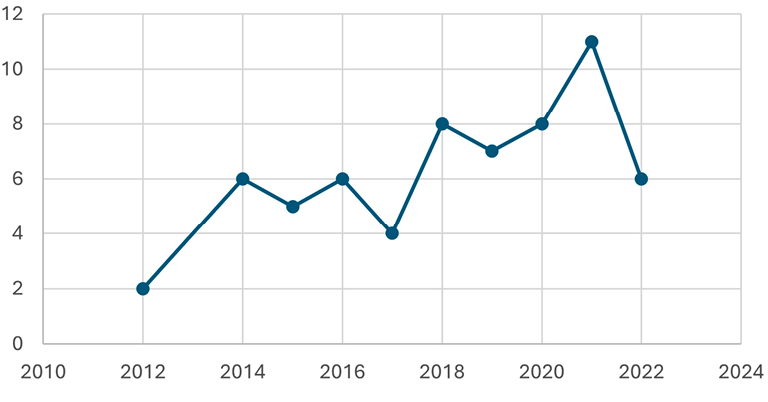
Fig. 2 Temporal distribution
The distribution of the 63 selected publications over the period 2012–2022 shows an upward trend, with no publications recorded in 2013 (Fig. 2); the decline recorded in 2022 could be attributed to the fact that the SLR was conducted during that year and thus did not consider the entire year. Overall, the publication distribution indicates increasing scientific interest in the topic, suggesting the progressive consolidation of a field of analysis relevant to both social policy and social work.
Having examined the temporal distribution of publications, I now turn to the geographical distribution to understand where research on this topic has been most prominent.
From a geographical perspective, the selection criteria inherently limit the range of possible distributions. Most studies are concentrated in Europe and North America, although contributions from other parts of the world also emerge, indicating a broader academic interest in the role of the third sector in tackling poverty.
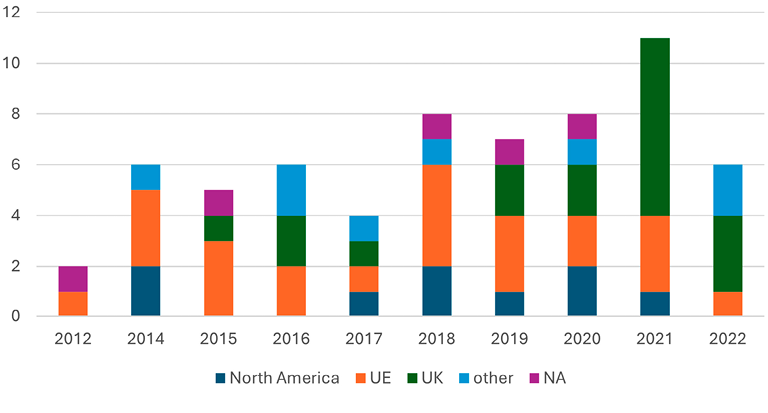
Fig. 3 Temporal and geographical distribution (aggregate)
Aggregating the data between geographically similar contexts2, mainly the European Union (EU), the United Kingdom (UK)3, North America, and the rest of the world, showed that the EU has focused on this issue the most (Fig. 3).
Unlike in the EU, where the research interest has remained stable over time, publications from the UK show an increasing trend, particularly in the post-COVID period. This suggests that the pandemic may have intensified the academic focus on third-sector interventions in response to rising poverty levels. Overall, the scientific interest in this topic appears to be growing and is distributed among countries with advanced economies. Beyond these geographical and temporal trends, the specific themes emerging in the literature through keyword analysis must be investigated.
The keyword analysis shows that in the 63 articles analyzed, 243 distinct keywords are reported. To make the analysis more meaningful, I focused on the first 20 by recurrence. As expected, after I aggregated the themes that recurred most in families of similar concepts, those linked to poverty and coping with poverty, the third sector, and volunteering emerged. Moreover, some interesting data emerged: the theme of food poverty and its coping recurred with some insistence, as did religious, political, and social themes. The topic of social work was less present than expected.
The research methodologies used in the selected publications were grouped into seven methodological categories (qualitative, quantitative, theoretical analysis, experimental, mixed methods, literature review, and participatory action research).
Qualitative approaches were the most frequent in the identified literature, accounting for just over half of the articles (50.79%; 32 out of 63). Literature reviews were the second most frequent (14.29%; 9 out of 63); however, these reviews only partially covered the subject matter and were included to compensate for the scarcity of specific literature identified on the analyzed subject. Articles using a mixed-methods approach were the third most common (9.52%; 6 out of 63). Quantitative, conceptual, and evaluative studies accounted for five articles each (7.94% each). Finally, only one article (1.59%) used the participatory action research approach.
Discussion
Starting with a descriptive analysis, a detailed thematic content analysis was conducted (Bryman, 2016) using MAXQDA software to organize and code the data. The analysis of the 63 articles revealed 58 codes distributed in 4,207 coded segments, grouped into 10 thematic categories (I–X). Figure 4 shows the titles of the thematic categories and an extract of the identified emerging codes. Three main areas emerged from the thematic analysis: the changing context in which third-sector organizations (TSOs) find themselves operating, characterized by various ambiguities, challenges, and problems (Fig.5); a nomenclature of the third sector committed to combating poverty, with a focus on the role played (Fig.6); and the dimensions involved in TSO actions (Fig.7).
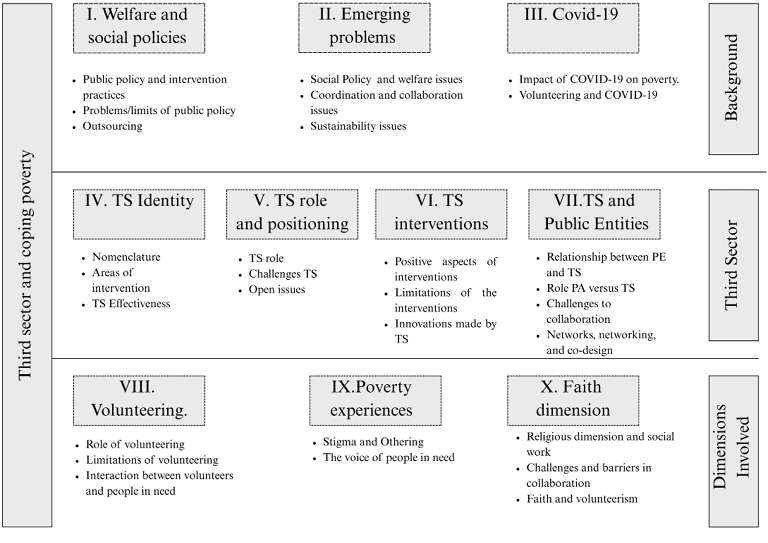
Fig. 4 Map of thematic analysis (TS = third sector; PE = public entities)
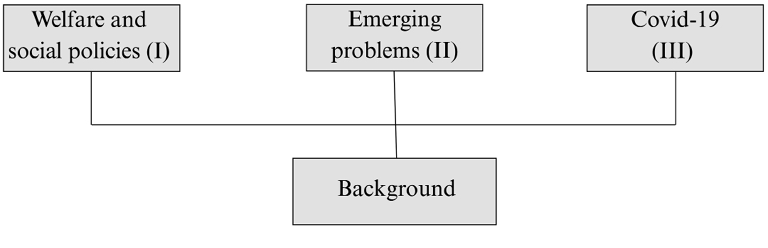
Fig. 5 Thematic headings of the theme Background (Categories I, II, and III)
Welfare and Social Policies
Although the selected studies examined contexts belonging to different welfare cultures (Esping-Andersen, 1990, 1999; Pfau-Effinger, 2009), a convergent interpretation of the evolution of welfare systems was noted. The onset of the economic and financial crisis in 2007 (Denning, 2021c; Pape et al., 2016) emerged as a turning point, generating significant challenges and new dynamics in the social welfare landscape.
Despite the increasing poverty rate (Ord & Monks, 2022; Surman et al., 2021; Valenzuela-Garcia et al., 2019), the economic crisis prompted states to implement austerity policies (Bruck & Garthwaite, 2021; Pape et al., 2016; Surman et al., 2021), decentralizing and outsourcing social services (Valenzuela-Garcia et al., 2019). In response, the number of nonprofit organizations has increased (Jindra et al., 2020; Pape et al., 2016), and the focus on the role of civil society and TSOs in combating poverty and providing social services has strengthened. These dynamics were not without contradictions; some scholars highlighted the risk that increased third-sector involvement may lead to a further decline of the welfare state, fitting into a neoliberal agenda (Defourny, 2014; Monforte, 2020; Parsell & Clarke, 2022; Surman et al., 2021). A representative example is Australia, where an increase in public support for TSO has been observed in parallel with a reduction in the welfare state (Parsell et al., 2022).
Defourny (2014) expressed doubts about the ability of the third sector to completely replace the traditional role of the state in the provision of public services.
Emerging Issues
Third-sector organizations are increasingly under pressure from the fading welfare state (decreasing funding, increasing competition, increasing demands) and need adaptive strategies to continue pursuing their mission. In this direction, a trend is emerging toward the professionalization of the third sector (Laskowski & Loidl, 2012; Pape et al., 2016): the adoption of managerial methods and models (Pape et al., 2016; Ranci, 2015) and the propensity to create social enterprises (Defourny, 2014; Laskowski & Loidl, 2012). Simultaneously, a growth of spontaneous and faith-based organizations has been observed (Denning, 2021a; Dennis et al., 2017).
A further limitation mentioned in the literature is that charity, although useful as initial support, can lead to unintended consequences in the long term (Möller, 2021), contributing to the perpetuation of structural inequalities (Parsell et al., 2022). Moreover, charity can be interpreted as a control mechanism based on power inequality, which seeks to transform people instead of addressing the deep roots of poverty (Valenzuela-Garcia et al., 2019).
Of concern is the exclusion of people living in poverty from political debates and public policy decisions, which risks marginalizing their voices and needs (Degerickx et al., 2020). The third sector is experiencing tensions due to policy changes in the social services market, which have generated increased competition and reduced funding (Miewald & McCann, 2014; Pape et al., 2016).
COVID-19
The global COVID-19 pandemic has accentuated inequalities and generated new forms of poverty, in particular through increasing food poverty and the demand for assistance from food banks (Möller, 2021). Third-sector organizations had to take a proactive and creative approach to continue supporting their beneficiaries, especially organizations dedicated to the education of disadvantaged children (Alexa & Baciu, 2021).
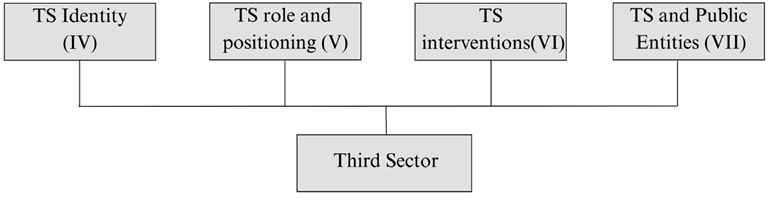
Fig. 6 Thematic headings of the third-sector themes (Categories IV, V, VI, and VII)
Third-Sector Identity
The third sector is a complex universe of organizations, ranging from informal structures to highly structured entities, such as nongovernmental organizations, associations, fraternities, religious institutions, private foundations, social enterprises, and community organizations. Depending on the context and country, these organizations can be identified through different names, including the following:
- third-sector organizations (Bennett, 2016; Defourny, 2014; Defourny et al., 2018; Jevanesan et al., 2021; Pape et al., 2016; Phillips & Goodwin, 2014; Pusceddu, 2022; Ranci, 2015),
- charities (Monforte, 2020; Valenzuela-Garcia et al., 2019),
- social entrepreneurship organizations (Howaldt et al., 2016),
- civil society organizations (Bennett, 2016; Phillips & Goodwin, 2014; Pusceddu, 2022; Rost & Lundälv, 2022),
- nonprofit organizations (Carvalho et al., 2019; Laskowski & Loidl, 2012; Ranci, 2015),
- church-related institutions (Ranci, 2015),
- mutual organizations (Ranci, 2015),
- social cooperatives (Laskowski & Loidl, 2012; Ranci, 2015),
- community-based organizations (Jindra et al., 2020),
- faith-based organizations (Denning, 2021a, 2021b, 2021c),
- nongovernmental organizations (Ciepielewska-Kowalik & Pieliński, 2015),
- voluntary sector organizations (Defourny et al., 2018; Jevanesan et al., 2021).
A still distinctive dimension of the third sector is that of volunteerism, in which individuals engage in the day-to-day care of vulnerable groups (Jevanesan et al., 2021; Monforte, 2020). In many cases, the significant functions performed by faith-based organizations, which can take different forms and vary in the degree to which religious beliefs are made explicit, have been emphasized (Denning, 2021a, 2021b; Harr & Yancey, 2014; Parsell & Clarke, 2022). In Italy, a similar role is played by Catholic-inspired organizations, albeit with considerable variations (Pusceddu, 2022; Ranci, 2015).
In terms of the practices adopted, the third sector is involved in the production of public goods and services, the redistribution of resources, and it can also play a political role through advocacy and lobbying (Chaney et al., 2022; Hustinx et al., 2014; Meads, 2017; Messamore et al., 2021; Möller, 2021). It operates either on commission from the public sector or by mobilizing community resources that can be used autonomously (Harr & Yancey, 2014); the latter approach is particularly congruent with the identity of volunteers (Pusceddu, 2022). In some circumstances, even public bodies use the agility and independence of third-sector organizations to overcome their own bureaucracy (Pusceddu, 2022); in emergencies, they represent ideal partners for less flexible public services (Alexa & Baciu, 2021). Ultimately, these organizations can act as mediators between various institutional actors, the for-profit sector, beneficiaries, and involved volunteers, promoting a pluralistic welfare landscape (Baglioni et al., 2017; Boccacin, 2014).
Third-Sector Role and Positioning
As illustrated above, the third sector has assumed an increasingly significant role in combating poverty, amid growing challenges and a public welfare crisis. Scholars have investigated whether these changes are beneficial and whether the third sector can tackle such complex problems (Defourny, 2014). In this multifaceted landscape, TSOs act as resource activators and fill gaps in the public system, providing support to those most in need (Denning, 2021b; Valenzuela-Garcia et al., 2019). Their presence where specific needs arise allows them to build networks to meet these needs (Boccacin, 2014; Phillips & Goodwin, 2014; Rombach et al., 2018) and to act as mediators between different actors and institutions (Valenzuela-Garcia et al., 2019), thus helping to connect individual and collective actors (Baglioni et al., 2017; Chaney et al., 2022).
Their personalized responses (Boccacin, 2014), flexibility, and adaptability (Alexa & Baciu, 2021) allow them to innovatively address emerging needs and changing social dynamics, sometimes adopting roles traditionally the preserve of families or neglected by the state (Valenzuela-Garcia et al., 2019) or responding to needs unmet by the market, especially for vulnerable groups (Howaldt et al., 2016).
TSOs engaged in the fight against poverty perform a diverse range of functions: they influence the well-being of disadvantaged communities, groups, and individuals and promote volunteering and community mobilization (Messamore et al., 2021; Ranuzzini & Gallo, 2020). They provide services that replace or supplement the state and the market and act at the political level through advocacy (Jevanesan et al., 2021; Messamore et al., 2021; Miewald & McCann, 2014) or lobbying (Chaney et al., 2022). In this way, they can promote a pluralistic welfare model based on networks of actors in a horizontal subsidiarity context (Boccacin, 2014); however, TSOs struggle to influence emerging public policies (Boccacin, 2014; Ciepielewska-Kowalik & Pieliński, 2015).
As discussed in the next section, the fight against food poverty is paradigmatic of TS-led anti-poverty action, exemplifying many of the dynamics at work. Food banks (or other anti-food poverty devices) play an increasing role (Denning, 2021d; Miewald & McCann, 2014; Parsell & Clarke, 2021); however, this role is seen as controversial and consequential to austerity policies (Garthwaite et al., 2015; May et al., 2020). These interventions are not always able to solve the problem (Möller, 2021) and may be insufficiently regulated (Miewald & McCann, 2014), sometimes substituting the state (Bruck & Garthwaite, 2021; May et al., 2020) or unintentionally legitimizing the retreat of the state by offering a cost-free alternative (Arcuri et al., 2016). However, according to Monforte (2020), volunteer action can also represent a form of resistance to austerity policies.
Third-Sector Interventions
Anti-poverty interventions conducted by TSOs fall into different types, but those focused on food poverty emerge as particularly relevant, as evidenced by the fact that the word «food» occurs 5,395 times in the 63 articles analyzed and is present in 74.63% of them4. Among the positive aspects identified in the literature are the importance of the relational dimension of interventions (Jindra et al., 2020; Miewald & McCann, 2014; Prentice et al., 2020), community development (Miewald & McCann, 2014; Ord & Monks, 2022; Prentice et al., 2020), and the ability to act as intermediaries and pursue multiple goals (Long et al., 2020; Ord & Monks, 2022; Phillips & Goodwin, 2014). Third-sector interventions promote social ties, reduce the isolation of those involved (Prentice et al., 2020), and strengthen the communities in which they operate (Crew, 2020). They create support networks and promote social resilience (Monforte, 2020). Community programs based on peer support contribute to skills acquisition and increased self-confidence (Crew, 2020), reducing stress and improving mental and physical health. Additionally, third-sector interventions create safe spaces for low-income people, offering opportunities to meet individuals from different backgrounds (Miewald & McCann, 2014). Many organizations go beyond the mere provision of food, introducing initiatives such as community gardens and kitchens, skills development programs, and nutrition education (Arcuri et al., 2016). Attention to the nutritional quality of the food offered is also increasing (Long et al., 2020; Miewald & McCann, 2014). Some food banks have turned into solidarity emporiums to promote dignity and autonomous choice and reduce stigma (Michelini et al., 2018; Ranuzzini & Gallo, 2020).
However, third-sector interventions are not without risks: they can sometimes harm those receiving assistance, contributing to the portrayal of poverty as an individual rather than a social problem (Valenzuela-Garcia et al., 2019). Charitable institutions can be seen as total institutions that isolate people from the wider community, creating a dependency between volunteers and beneficiaries (Valenzuela-Garcia et al., 2019). Neoliberal ideology negatively influences third-sector organizations, creating barriers to access that exclude vulnerable groups from participation (Bruck & Garthwaite, 2021). Volunteering can accentuate the substitution of state welfare and reflect the neoliberal restructuring of society, turning altruism into mere service provision (Bruck & Garthwaite, 2021; Miewald & McCann, 2014). Furthermore, doubts arise about the ability of food banks to ensure adequate nutritional requirements and respect the cultural and dietary preferences of their beneficiaries (Long et al., 2020; Loopstra & Tarasuk, 2012, as cited in Miewald & McCann, 2014).
Relationships Between Third-Sector Organizations and Public Bodies
The relationship between the third sector and public bodies is marked by contradictory dynamics: demand for services increases as state welfare withdraws (Rost & Lundälv, 2022; Valenzuela-Garcia et al., 2019), while funding and access to support are also needed (Messamore et al., 2021; Pape et al., 2016). Some bodies, especially smaller and informal ones, tend to intervene autonomously (Ciepielewska-Kowalik & Pieliński, 2015), but in some cases, they can become subordinates of the public body (Defourny et al., 2018; Ranci, 2015), with limited possibilities to influence policies and play a significant political role (Boccacin, 2014; Ciepielewska-Kowalik & Pieliński, 2015).
Since the economic crisis, policy changes have involved cuts in public spending (Garthwaite et al., 2015; Pape et al., 2016) for third-sector organizations and changes to the rules of cooperation between the public and the third sector, often through the introduction of market mechanisms and adaptations of new public management reforms (Pape et al., 2016).
TSOs are increasingly recognized as government partners in the design and implementation of social services, especially at the local level, contributing to the provision of state-funded services (Galli et al., 2019). Collaboration and co-design between public, private, and third sectors represent innovative ways of organizing based on reciprocity and valuing the diversity of each partner (Boccacin, 2014) but require clarity in roles and responsibilities (Crew, 2020).
However, the partnership between the state and the third sector has limitations: nonprofit organizations often have limited political independence (Ciepielewska-Kowalik & Pieliński, 2015) and little capacity to influence social policies; collaboration with the state is usually managed through local negotiations on specific issues (Ranci, 2015).
From a governance perspective, partnerships between the public, third sector, and the market are emerging (Messamore et al., 2021), which are gradually replacing the centralized state coordination model (Crew, 2020).
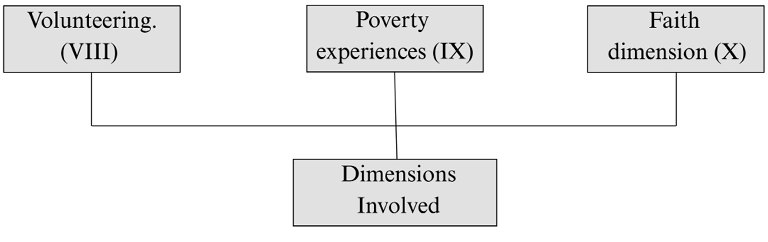
Fig. 7 Thematic headings of the theme Dimensions Involved (Categories IX, X, and X)
Volunteering
Volunteering plays a crucial role in society, especially in the context of privatization and reduction of social care services (Messamore et al., 2021). Within this wide range of interventions, the literature indicates that volunteers are involved in the following areas:
- combating food poverty (Baglioni et al., 2017; Bruck & Garthwaite, 2021; Carvalho et al., 2019; Cohen et al., 2017; Denning, 2021d; Dennis et al., 2017; Frost et al., 2016; Galli et al., 2019; Garthwaite et al., 2015; Long et al., 2020; May et al., 2020; Miewald & McCann, 2014; Möller, 2021; Monforte, 2020; Mura et al., 2019; Ord & Monks, 2022; Pusceddu, 2022; Rombach et al., 2018; Rost & Lundälv, 2022; Surman et al., 2021),
- education (Alexa & Baciu, 2021; Ord & Monks, 2022),
- parenting support (Crew, 2020),
- street work (Szeintuch, 2015).
Combating food poverty is the predominant theme. Voluntary action against poverty is subject to a dichotomy of interpretation: some authors see it as a palliative measure that does not address the root causes of poverty, contributing to consolidating inequalities and relieving the state of its responsibilities (Long et al., 2020; Miewald & McCann, 2014; Monforte, 2020). Others view it as a form of collective resilience in response to austerity and a process of community empowerment, in which volunteers build a culture of cooperation, inclusion, and kindness to promote social change (Monforte, 2020).
Volunteers play a key role in the well-being of disadvantaged communities by providing meaningful engagement opportunities and spaces for relationships between different community members, including those in need (Messamore et al., 2021; Miewald & McCann, 2014). Volunteering can mitigate beneficiaries’ shame in asking for and receiving help by enhancing the exchange of experiences and mutual help among peers (Parsell & Clarke, 2022).
Furthermore, Denning (2021b) emphasized the importance of a relational approach, recognizing that organizations, volunteers, and people in need are related parts of the same system. Community-based initiatives also promote leadership and new skills development (Crew, 2020).
However, volunteering presents some critical issues: paternalistic dynamics, stigmatization of poverty, and marginalization phenomena (Cohen et al., 2017; Rost & Lundälv, 2022; Surman et al., 2021). In some cases, services addressing rising poverty in the context of public spending cuts reflect a neoliberal view of poverty, emphasizing personal responsibility and the concept of social parasitism (Monforte, 2020).
Poverty
The analyzed literature shows a generalized increase in poverty following the economic crisis, along with persistent social and labor inclusion problems (Valenzuela-Garcia et al., 2019). The thematic analysis, however, focused on the experience of people living in poverty regarding the help received and the associated risks.
A relevant finding is that little space is given to the voices of people in need in the literature analyzed; this is similar to the design process of social policies. The code «people in need’s thoughts about themselves and help» appeared in only 17 text segments in nine documents.
People living in poverty experience a mix of complex feelings: shame (Parsell & Clarke, 2022; Pusceddu, 2022; Rost & Lundälv, 2022), gratitude (Bruck & Garthwaite, 2021; Rost & Lundälv, 2022; Surman et al., 2021), relief (Rost & Lundälv, 2022), and frustration (Bruck & Garthwaite, 2021). Shame is often linked to access to care services and may delay their use (Garthwaite, 2016, as cited in Rost & Lundälv, 2022).
Numerous authors warn against stigma (Denning, 2021c; Rost & Lundälv, 2022; Surman et al., 2021) and othering (Cohen et al., 2017; Surman et al., 2021). Stigma relates to the negative portrayal that society, and thus also volunteers or workers, may have of people in distress, labeling them as «profiteers», «lazy», or «parasites» (Parsell & Clarke, 2022; Rost & Lundälv, 2022). This generates stigmatization and shame among those who ask for help, discouraging access to services. The emphasis on self-sufficiency without help can lead to feelings of failure for those who fail to achieve this goal (May et al., 2020; Rost & Lundälv, 2022).
The concept of othering (Lister, 2004, as cited in Cohen et al., 2017), discourses or behaviors that create distance between «us» and «others», implicitly considering differences as a sign of inferiority (Cohen et al., 2017), is mentioned as a factor separating those who provide help from those who receive it.
The articles emphasized several strategies to reduce stigma and othering and improve the effectiveness of aid interventions: the reflexivity of volunteers (Parsell & Clarke, 2022), the creation of inclusive social spaces, and respect for the dignity of beneficiaries (Miewald & McCann, 2014).
Finally, an important aspect, although little present quantitatively (four segments in four articles), concerns the volunteering practiced by people in need themselves, which emerges as a tool to promote self-efficacy and a sense of usefulness (Broussard et al., 2012; Cho et al., 2018; Parsell & Clarke, 2022; Prentice et al., 2020).
Faith Dimension
The religious and faith dimension emerges as a relevant theme in the literature analyzed: the words «faith», «religion», and «church» appeared 1,063 times in 45 documents. This theme has both positive and negative overtones. Especially in the British and North American contexts, a proliferation of organizations and anti-poverty projects led by religiously motivated and faith-driven actors can be observed (May et al., 2020; Parsell & Clarke, 2022).
Faith-based organizations play a crucial role in addressing needs, especially in relation to food poverty in the UK (Dennis et al., 2017). However, the significance of charity as a response to poverty is a matter of debate. Some see the contribution of faith to welfare services as positive (Denning, 2021a, 2021b, 2021c), adding a moral and solidarity dimension to the neoliberal context in which welfare provision is privatized and commodified (Valenzuela-Garcia et al., 2019). By contrast, others see dependence on charity as a threat to social rights and as an obstacle to the basic principles of the welfare state (Monforte, 2020). Charity as a response to poverty is associated with discourses that may construct poverty as a matter of individual responsibility, leading to distinctions between the «deserving» and «undeserving» poor (Garthwaite et al., 2015; May et al., 2020).
In practice, religious organizations can reduce isolation and expand the social networks of people in rural areas, where they play a community support role (Harr & Yancey, 2014). However, the religious dimension can complicate network collaboration, requiring a common language and the overcoming of possible competition between congregations, or of ethical and moral concerns, when interacting with social services (Harr & Yancey, 2014). Faith not only provides initial motivation for volunteering but can also influence the relational style of volunteers, pushing them toward a more relationship-based approach rather than one focused solely on the provision of aid (Denning, 2021b, 2021c).
Research Limitations
This review has several limitations. The most relevant is that it struggles to fully assume a social work perspective: as Crisp (2015) argues, systematic reviews conducted by social workers should be framed so as to recognize the nature of social work practice and contribute to its professional knowledge base.
The review goes into limited depth regarding the practices performed by volunteers and cannot provide definitive conclusions about the effectiveness of specific interventions, partly because the inclusion criteria allowed contributions from multiple disciplines and not only from social work. At the same time, this multidisciplinary orientation made it possible to highlight the hybrid and intersectoral nature of welfare responses to poverty, which was one of the main objectives of the study.
Another limitation is that the voice of people experiencing poverty is underrepresented in the analyzed literature (Krumer-Nevo, 2021), raising the risk of reproducing knowledge and practices that insufficiently reflect their lived experiences. Furthermore, the analysis did not distinguish among the different welfare regimes (Nordic, Continental, Anglo-Saxon, Mediterranean) theorized by Esping-Andersen (1990), which might have revealed important contextual variations.
From a methodological perspective, the thematic analysis was conducted by a single researcher, without triangulation or external validation. To strengthen the validity of the results, the analytical process was systematically documented using Zotero and MAXQDA software, clear inclusion and exclusion criteria were rigorously applied, and the coding scheme was continuously compared with theoretical categories derived from Relational Social Work and relational sociology.
In addition, the analysis was regularly discussed with academic supervisors, and feedback on a preliminary version presented at the 2023 ESPAnet-Italia Conference5 from scholars and practitioners helped refine the interpretation.
Conclusions
The analysis reveals a composite picture of the third sector, whose role oscillates between different polarities: a strong ideal and value dimension, often rooted in the religious and civic spheres, coexists with a struggle for survival in a context of limited resources, intense competition, and the growing influence of neoliberal rationales.
In the years following the economic crisis, the third sector has taken a leading role in the provision of social services and has contributed to orienting local welfare policies, yet its capacity to influence decision-making remains limited, often acting as an executive arm rather than a strategic partner. The literature reflects this ambivalence, reading these dynamics either as an expression of subsidiarity and civic innovation or as a symptom, and possibly a driver, of the retreat of the welfare state.
Third-sector interventions are not without risks, particularly the risk of perpetuating stigma and othering toward people in difficulty. Yet, when interventions are grounded in reflective practice, create spaces for genuine relationships, and respect human dignity, they tend to be more effective and less stigmatizing. These findings resonate with the principles of Relational Social Work, which emphasize reciprocity, participation, and the co-construction of welfare as a societal good.
Volunteers play an increasingly crucial role in identifying and informally addressing emerging needs, especially in areas such as food assistance, education, and peer support, yet their relational potential remains underutilized. Enhancing this dimension would require social workers and organizations to act as facilitators of relational spaces, supporting volunteers through supervision, reflective dialogue, and training in rights-based and anti-oppressive approaches. At the same time, social work must move beyond professional-centered models and listen more carefully to the voices, knowledge, and aspirations of people experiencing poverty, whose perspectives are essential both for shaping more responsive interventions and for redefining professional expertise in relational terms.
Future research should build upon these limitations by integrating a more explicit social work perspective into reviews of third-sector practices, connecting empirical findings with professional theory and ethics. Further comparative research should examine how the role of the third sector varies across welfare regimes. Methodologically, future reviews would benefit from multi-researcher triangulation and from participatory approaches that actively include people living in poverty in the knowledge-production process, helping to overcome epistemic asymmetries, enhance reflexivity, and align research and practice with the relational and rights-based principles that underpin social work.
Overall, this review shows that the third and voluntary sectors can play a pivotal role in combating poverty when collaboration with public institutions is grounded in trust, reciprocity, and shared responsibility. By linking the relational dimension of practice with the structural challenges of welfare systems, the study contributes to a deeper understanding of how social work and civic action can jointly promote social justice in complex and changing societies.
Bibliography
Alexa, S., & Baciu, E.L. (2021). 15 Challenges in Supporting Disadvantaged Children’s Access to Education during the COVID-19 Pandemic: The Experience of a Romanian Nonprofit Organization. Revista de asistență socială, 1, 43-58.
Andajani-Sutjahjo, S., Liew, T.C.H., Smith, J.F., Esekielu, I., Mason, G., & Tariu, I. (2016). Engaging Community Volunteers in Participatory Action Research in Tāmaki Community of Auckland, New Zealand. Health Promotion International, 33(2), 219-228.
Arcuri, S., Brunori, G., & Galli, F. (2016). Insights on Food Assistance Provision in High Income Countries: A Systematic Literature Review. [Paper presented at the IX ESPAnet Conference].
Baglioni, S., De Pieri, B., & Tallarico, T. (2017). Surplus Food Recovery and Food Aid: The Pivotal Role of Non-Profit Organizations. Insights From Italy and Germany. Voluntas: International Journal of Voluntary and Nonprofit Organizations, 28(5), 2032-2052. https://doi.org/10.1007/s11266-016-9746-8
Baker, K. J., Mould, R., Fraser, S., Restrick, S., Melone, H., & Atterson, B., (2019). Never Try and Face the Journey Alone: Exploring the Face-to-Face Advocacy Needs of Fuel Poor Householders in the United Kingdom. Energy Research & Social Science, 51, 210-19. https://doi.org/10.1016/j.erss.2019.01.009
Bashir, M., Ashar, S., & Ferhana, A. (2019). Akhuwat: Measuring Success for a Non-Profit Organization. Asian Journal of Management Cases, 16(1), 100–112. https://doi.org/10.1177/0972820119825973
Bauman, Z. (2000). Am I my brother’s keeper? European Journal of Social Work. 3(1), 5-11.
Bennett, H. (2016). Anti-Poverty Activities in a Liberal Welfare Model: Local Levers and Multi-Level Tensions in Glasgow, UK. In H. Johansson & A. Panican (Eds.), Combating Poverty in Local Welfare Systems (pp. 129–154). Palgrave Macmillan. https://doi.org/10.1057/978-1-137-53190-2_6
Boccacin, L. (2014). Third Sector Multilevel Organizations and Their Relational Outcomes: Indications from a Quantitative Study. Italian Sociological Review, 4(1), 25-50. https://doi.org/10.13136/isr.v4i1.72
Bryman, A. (2016). Social research methods. Oxford University Press.
Broussard, C.A., Joseph, L.A., & Thompson, M. (2012). Stressors and Coping Strategies Used by Single Mothers Living in Poverty. Affilia, 27(2),190-204.
Bruck, A., & Garthwaite, K. (2021). We’ll Go Back to a System You Really Do Not like! Organizational Norms and Structural Violence in a British Foodbank. Journal of Organizational Ethnography 10(2), 147-61.
Burgess, D., & Shier M.L. (2018). Food Insecurity and Social Work: A Comprehensive Literature Review. International Social Work, 61(6), 826-42. https://doi.org/10.1177/0020872816672519
Caritas Italiana (2015). Dopo la crisi costruire il Welfare. Secondo Rapporto sulle politiche contro la povertà in Italia. Caritas Italiana.
Carvalho, A. O., Ferreira M. R., & Silva P. (2019). Partners in a Caring Society – a Nonprofit Organization Case Study. Economics & Sociology, 12(2), 129-46. https://doi.org/10.14254/2071-789X.2019/12-2/8
Cesareo, V. (2017). Welfare responsabile. Vita e Pensiero.
Chaney, P., Sophocleous, C., & Wincott, D. (2022). Exploring the Meso-Territorialization of Third Sector Administration and Welfare Delivery in Federal and Union States: Evidence and Theory-Building from the UK. Regional & Federal Studies, 32(2), 231-54. https://doi.org/10.1080/13597566.2020.1822341
Cho, J., Kim, B. R., Park, S., & Jang, J. (2018). Postretirement Work and Volunteering by Poverty Groups Informed by Role Theory. Journal of Gerontological Social Work, 61(3), 243–260. https://doi.org/10.1080/01634372.2017.1416719
Ciepielewska-Kowalik, A., & Pieliński, B. (2015). In Search for a Place for the Third Sector in the Polish Welfare State: Toward a Limited Co-Production. [Paper presented in EMES Conferences Selected Papers Series, ECSP-5EMES-13].
Cohen, Y., Krumer-Nevo, M., & Avieli, N. (2017). Bread of Shame: Mechanisms of Othering in Soup Kitchens. Social Problems, 64(3), 398-413. https://doi.org/10.1093/socpro/spx011
Crew, M. (2020). The Effectiveness of Place-Based Programmes and Campaigns in Improving Outcomes for Children. A literature review. National Literacy Trust. https://files.eric.ed.gov/fulltext/ED607978.pdf
Crisp, B.R. (2015). Systematic Reviews: A Social Work Perspective, Australian Social Work, 68(3), 284-295.
De Souza, R.T. (2019). Feeding the Other: Whiteness, Privilege, and Neoliberal Stigma in Food Pantries. MIT Press.
Defourny, J. (2014). From Third Sector to Social Enterprise: A European Research Trajectory in J. Defourny, L. Hulgård, & V. Pestoff (Eds.). Social Enterprise and the Third Sector: Changing European Landscapes in a Comparative Perspective. Routledge.
Defourny, J., Favreau, L., & Laville, J.-L. (2018). Introduction to an International Evaluation, in R. Spear, J. Defourny, L. Favreau, & J.-L. Laville (Eds), Tackling social exclusion in Europe. The contribution of the social economy (pp. 3-28). Ashgate.
Degerickx, H., Rutten K., Van Gorp, A., & Roets, G. (2020). Proud to Be Poor? Untangling Identity Politics with the Families Portrayed in the Photobook Courage. Visual Studies, 35(2-3), 285-98. https://doi.org/10.1080/1472586X.2020.1788981
Denning, S. (2021a). Persistence in Volunteering: An Affect Theory Approach to Faith-Based Volunteering. Social & Cultural Geography, 22(6), 807-27. https://doi.org/10.1080/14649365.2019.1633685
Denning, S. (2021b). Religious Faith, Effort and Enthusiasm: Motivations to Volunteer in Response to Holiday Hunger. Cultural Geographies, 28(1), 57-71. https://doi.org/10.1177/1474474020933894
Denning, S. (2021c). The Effect of Volunteering upon Volunteers Christian Faith: Food Poverty and Holiday Hunger. Geoforum, 119, 52-60. https://doi.org/10.1016/j.geoforum.2020.12.014
Denning, S. (2021d). Three Foodbanks in a Decade of Austerity: Foodbank Affective Atmospheres. Antipode, 53(4), 1018-1037. https://doi.org/10.1111/anti.12716
Dennis, M.K., Scanlon, E.T., & Sellon, A.M. (2017). It’s a Generosity Loop: Religious and Spiritual Motivations of Volunteers Who Glean Produce to Reduce Food Insecurity. Journal of Religion & Spirituality in Social Work: Social Thought, 36(4), 456-78. https://doi.org/10.1080/15426432.2017.1284633
Donati, P. (1980). L’operatore sociale di fronte alla famiglia in una società di servizi. In G. Rossi (Ed.), Sull’organizzazione dei servizi sociali (pp. 11-25). Vita e Pensiero.
Donati, P. (1981). L’operatore assistente sociale di fronte alla crisi del «welfare state»: Quali prospettive? Studi di Sociologia, 19(1), 3-22.
Donati, P. (1991a). Teoria relazionale della società. FrancoAngeli.
Donati, P. (1991b). Nuove tendenze della politica sociale e loro implicazioni sul lavoro sociale negli anni ‘90: l’operatore sociale come «guida relazionale di rete». In F. Villa (Ed.), Social Work Education. Un confronto internazionale su esigenze e modelli di formazione per il servizio sociale (pp. 11-58). Vita e Pensiero.
Donati, P. (2000). La cittadinanza societaria. Laterza.
Donati, P. (2011). Relational Sociology: A New Paradigm for the Social Sciences. Routledge.
Dovis, P. (2015). Per carità e per giustizia: Il welfare delle parrocchie. EGA.
Esping-Andersen, G. (1990). The Three Worlds of Welfare Capitalism, Polity Press.
Esping-Andersen, G. (1999). Social Foundations of Postindustrial Economies, Oxford University Press.
Fish, R., Hibbin, R., & Simmill-Binning, C. (2022). Volunteering and the Response to COVID-19 in the UK. Disability & Society 37(5), 875-80. https://doi.org/10.1080/09687599.2022.2067469
Folgheraiter, F. (1998). Teoria e metodologia del servizio sociale. FrancoAngeli
Folgheraiter, F. (2007). Relational social work: Principles and practices. Social Policy and Society, 6(2), 265-274.
Folgheraiter, F. (2011). Fondamenti di metodologia relazionale: La logica sociale dell’aiuto. Erickson.
Folgheraiter, F. (2016). Scritti scelti: Teoria e metodologia di social work. Erickson.
Folgheraiter, F. (2017). The sociological and humanistic roots of Relational Social Work. Relational Social Work, 1(1), 4-11. https://doi.org/10.14605/RSW111601
Foti, V.T, Sturiale, L., & Timpanaro, G. (2018) An overview of food waste phenomenon: by problem to resource. Quality – Access to Success, 19(1), 232-240.
Frost, C.J., Pelham-Burn, S.E., Russell, J., & Barker, M.E. (2016). Improving the Nutritional Quality of Charitable Meals for Homeless and Vulnerable Adults: A Mixed Method Study of Two Meals Services in a Large English City. Journal of Hunger & Environmental Nutrition, 11(1), 14-28. https://doi.org/10.1080/19320248.2015.1066730
Galli, F., Cavicchi, A., & Brunori, G. (2019). Food waste reduction and food poverty alleviation: a system dynamics conceptual model. Agriculture and Human Values, 36(2), 289-300. 10.1007/s10460-019-09919-0
Garthwaite, K.A., Collins, P.J., & Bambra, C. (2015). Food for Thought: An Ethnographic Study of Negotiating Ill Health and Food Insecurity in a UK Foodbank. Social Science & Medicine, 132, 38-44. https://doi.org/10.1016/j.socscimed.2015.03.019
Garthwaite, K. (2016). Stigma, shame and ‘people like us’: an ethnographic study of foodbank use in the UK, Journal of Poverty and Social Justice, 24(3), 277-89. https://doi.org/10.1332/175982716X14721954314922
Gori, C. (2017). Verso un nuovo modello italiano di povertà? Rivista delle Politiche Sociali, 4, 183-205.
Harr, C.R., & Yancey, G.I. (2014). Social Work Collaboration with Faith Leaders and Faith Groups Serving Families in Rural Areas. Journal of Religion & Spirituality in Social Work: Social Thought, 33(2), 148-62. https://doi.org/10.1080/15426432.2014.900373
Hustinx, L., & De Waele, E. (2015). Managing Hybridity in a Changing Welfare Mix: Everyday Practices in an Entrepreneurial Nonprofit in Belgium. Voluntas: International Journal of Voluntary and Nonprofit Organizations, 26(5), 1666–1689. https://doi.org/10.1007/s11266-015-9625-8
Hustinx, L., Verschuere, B., & De Corte, J. (2014). Organizational Hybridity in a Post-Corporatist Welfare Mix: The Case of the Third Sector in Belgium. Journal of Social Policy 43(2), 391-411. https://doi.org/10.1017/S0047279413000962
Istituto Nazionale di Statistica (2020). Effetti delle politiche di sostegno al reddito sulla povertà in Italia. ISTAT.
Istituto Nazionale di Statistica (2021). Serie storica. Numero di famiglie in povertà assoluta, incidenza e intensità di povertà per ripartizione geografica. Anni 2005-2021. ISTAT.
Loopstra, R., & Tarasuk, V. (2012) The relationship between food banks and household food insecurity among low-income Toronto families. Canadian Public Policy, 38(4), 497-514. https://doi.org/10.3138/CPP.38.4.497
Jevanesan, T., Antony, J., Rodgers, B., & Prashar, A. (2021). Applications of Continuous Improvement Methodologies in the Voluntary Sector: A Systematic Literature Review. Total Quality Management & Business Excellence, 32(3–4), 431–447. https://doi.org/10.1080/14783363.2019.1588723
Jindra, I.W., & Jindra, M. (2018). Connecting Poverty, Culture, and Cognition: The Bridges Out of Poverty Process. Journal of Poverty, 22(1), 42-64. https://doi.org/10.1080/10875549.2016.1204644
Jindra, M., Paulle, B., & Jindra, I. W. (2020). Relational Work in the Struggle Against Poverty: Balancing Scholarly Critiques and Emancipatory Practices in the Nonprofit Sector. Nonprofit and Voluntary Sector Quarterly, 49(1), 160–179. https://doi.org/10.1177/0899764019861716
Howaldt, J., Kaletka, C., & Schröder, A. (2016). Social Entrepreneurs: Important Actors within an Ecosystem of Social Innovation. European Public & Social Innovation Review. https://doi.org/10.31637/epsir.16-2.4
Kiteley, R., & Stogdon, C. (2014). Literature reviews in social work. Sage.
Krumer-Nevo, M. (2021). Speranza radicale: Lavoro sociale e povertà. Erickson.
Laskowski, W., & Loidl, R. (2012). Professionalization strategies of social work in social enterprises based on socio-economic ratios. ACRN Journal of Entrepreneurship Perspectives, 1, 111-136.
Long, M.A., Gonçalves, A., Stretesky, P.B., & Defeyter, M.A. (2020). Food Insecurity in Advanced Capitalist Nations: A Review. Sustainability, 12(9), 3654. https://doi.org/10.3390/su12093654
Lister, R. (2004). Poverty. Polity Press.
May, J., Williams, S., Cloke, P., & Cherry, L. (2020). Still Bleeding: The Variegated Geographies of Austerity and Food Banking in Rural England and Wales. Journal of Rural Studies, 79, 409-424. https://doi.org/10.1016/j.jrurstud.2020.08.024
Maroncelli, S. (2017). Welfare e povertà. In V. Cesareo (2017). Welfare responsabile (pp. 419-443). Vita e Pensiero.
Meads, G. (2017). From Pastoral Care to Public Health: An Ethnographic Case Study of Collaborative Governance in a Local Food Bank. The Open Public Health Journal, 10(1), 106-116. https://doi.org/10.2174/1874944501710010106
Messamore, A., Paxton, P., & Velasco, K. (2021). Can Government Intervention Increase Volunteers and Donations? Analyzing the Influence of VISTA With a Matched Design. Administration & Society, 53(10), 1547-1579. https://doi.org/10.1177/00953997211009885
Michelini, L., Principato, L., & Iasevoli, G. (2018). Understanding Food Sharing Models to Tackle Sustainability Challenges. Ecological Economics, 145, 205-217.
Miewald, C., & McCann, E. (2014). Foodscapes and the Geographies of Poverty: Sustenance, Strategy, and Politics in an Urban Neighborhood: Foodscapes and the Geographies of Poverty. Antipode, 46(2), 537-556. https://doi.org/10.1111/anti.12057
Möller, C. (2021). Discipline and Feed: Food Banks, Pastoral Power, and the Medicalisation of Poverty in the UK. Sociological Research Online, 26(4), 853–870. https://doi.org/10.1177/1360780420982625
Monforte, P. (2020). From Compassion to Critical Resilience: Volunteering in the Context of Austerity. Sociological Review 68(1):110–26. https://doi.org/10.1177/0038026119858220
Morlicchio, E. (2020). Sociologia della povertà (2nd ed). il Mulino.
Mura, G., Castiglioni, I., Borrelli, N., Ferrari, M., & Diamantini, D. (2019). Recycling Food to Promote Social Inclusion. An Empirical Evidence. Revista de Cercetare Si Interventie Sociala, 65, 325-337. https://doi.org/10.33788/rcis.65.20
Ord, J., & Monks, A. (2022). Food Poverty and Youth Work – A Community Response. Critical Social Policy, 42(1), 64-84. https://doi.org/10.1177/0261018321996534
Pape, U., Chaves-Ávila, R., Benedikt, P. J., Petrella, F., Pieliński, B., & Savall-Morera, T. (2016). Working under Pressure: Economic Recession and Third Sector Development in Europe, International Journal of Sociology and Social Policy, 36(7/8), 547-566. https://doi.org/10.1108/IJSSP-01-2016-0010
Parsell, C., & Clarke, A. (2022). Charity and Shame: Towards Reciprocity. Social Problems, 69(2), 436-452. https://doi.org/10.1093/socpro/spaa057
Parsell, C., Clarke, A., & Perales, F. (2022). Poverty by Design: The Role of Charity and the Cultivated Ethical Citizens. Social Policy and Society 21(4), 525-541. https://doi.org/10.1017/S1474746421000312
Phillips, R., & Goodwin, S. (2014). Third Sector Social Policy Research in Australia: New Actors, New Politics. Voluntas: International Journal of Voluntary and Nonprofit Organizations, 25(3), 565-584. https://doi.org/10.1017/S1474746421000312
Pfau-Effinger, B. (2009). Le culture di welfare nella prospettiva europea. Studi di Sociologia, 47(2), 123-149.
Prentice, D., Engel, J., & Boggs, J. (2020). Does It Make a Difference? Evaluation of a Canadian Poverty Reduction Initiative. Evaluation and Program Planning, 80, 101817. https://doi.org/10.1016/j.evalprogplan.2020.101817
Pusceddu, A.M. (2022). The Moral Economy of Charity: Advice and Redistribution in Italian Caritas Welfare Bureaucracy. Ethnos, 87(1), 168-87. https://doi.org/10.1080/00141844.2019.1687538
Ranci, C. (2015). The Long-Term Evolution of the Government–Third Sector Partnership in Italy: Old Wine in a New Bottle? Voluntas: International Journal of Voluntary and Nonprofit Organizations, 26(6), 2311-2329. https://doi.org/10.1007/s11266-015-9650-7
Ranuzzini, M., & Gallo, G. (2020). Like a stone thrown into a pond. Poverty contrast of an emporium of solidarity. International Journal of Social Economics, 47(10), 1311-1327. https://doi.org/10.1108/IJSE-01-2020-0045
Rombach, M., Bitsch, V., Kang, E., & Ricchieri, F. (2018). Comparing German and Italian food banks: Actors’ knowledge on food insecurity and their perception of the interaction with food bank users. British Food Journal, 120(10), 2425-2438. https://doi.org/10.1108/BFJ-11-2017-0626
Rost, S., & Lundälv, J. (2022). Social Work Responses to Food Poverty in Sweden: A Qualitative Study Applying the Concept of Stigma. The British Journal of Social Work, 52(5), 2689–2706. https://doi.org/10.1093/bjsw/bcab228
Surman, E., Kelemen, M., & Rumens, N. (2021). Ways to Care: Forms and Possibilities of Compassion within UK Food Banks. The Sociological Review, 69(5), 1090–1106. https://doi.org/10.1177/0038026121991330
Szeintuch, S. (2015). Street Work and Outreach: A Social Work Method? British Journal of Social Work, 45(6), 1923-34. https://doi.org/10.1093/bjsw/bcu103
Tsironis, C.N., & Almpani, C. (2018). Living in Poverty, Living with Poverty: The Community Workers Conceptions on Child Poverty in Greece. Palgrave Communications, 4(1), 59. https://doi.org/10.1057/s41599-018-0117-5
Valenzuela-Garcia, H., Lubbers, M., & Rice, J. (2019). Charities under austerity: ethnographies of poverty and marginality in Western non-profit and charity associations. Journal of Organizational Ethnography, 8(1), 2-10. https://doi.org/10.1108/JOE-04-2019-076
Gollini, A. (2026). The Role of the Third Sector and Voluntary Sector in Addressing Poverty: A Systematic Literature Review. Relational Social Work, 10(2), 17-40, doi: 10.14605/RSW1022602.

Relational Social Work is licensed under a Creative Commons Attribution-NonCommercial-NoDerivatives 4.0 International License
-
1 De Souza (2019) and Cohen et al. (2017).
-
2 The aggregation «others» consists of those countries not in the EU or North America: Israel, New Zealand, and Australia. The aggregation «NA» (not available) is assigned to articles that do not refer to a specific territorial context (i.e., systematic reviews or theoretical articles). Articles presenting comparative analyses across several countries were assigned to the «NA» category.
-
3 The United Kingdom is presented separately from Europe to account for Brexit and to emphasize the volume of articles from there.
-
4 All lexical analyses were conducted with MAXQDA software.
-
5 Session 21: Non-public resources and actors in social policies in transition: What role for the second welfare? https://www.espanet-italia.net/index.php/elenco-sessioni-2023/82-sessione-21-risorse-e-attori-non-pubblici-nelle-politiche-sociali-in-transizione-quale-ruolo-per-il-secondo-welfare